

The end of the analogue network is nearly here. If you're yet to upgrade to digital, an interim solution is now a critical necessity to keep your telecare services operating safely and protect vulnerable residents. But speed of compliance should not come at the cost of capability. We examine three potential short-term options, explaining why analogue to digital converters stand out as the clear choice.
With less than a year until the digital switchover is complete, a full upgrade is out of reach for many housing providers, leaving an interim solution the only feasible way forward.
On the face of it, there are three potential routes to take. However, two of these create a number of issues and are not recommended:
- Analogue to digital (A2D) converter – the most reliable temporary alternative.
- Dispersed alarms – could create technical and compliance risk.
- Pre-Digital Phone Lines (PDPL) – very limited arrangement offered by BT.
Rising first time call failures mean doing nothing is not an option. A ‘wait and see’ approach endangers your residents and increases your corporate risk, leaving you with no legal protection should an incident occur.
Choosing a short-term measure is therefore a sensible strategy. However, it’s vital this properly preserves your existing services, rather than simply achieving compliance on paper.
Implementing an interim solution – two options to avoid
1. Pre-Digital Phone Lines (PDPL)
PDPL from BT has been developed as a stop-gap to aid the digital transition, allowing 'edge use case' customers who rely on the analogue network to retain legacy equipment.
But PDPL has a number of issues:
- PDPL lines are unstable.
- BT has set a 2030 withdrawal date at the latest and the TSA labels PDPL as a ‘Product of Last Resort’.
- Most importantly, they don't significantly reduce first time call failures.
Relying on these temporary lines puts your residents at major risk of service failure. If you’ve registered for PDPL, it's strongly recommended to seek an alternative short-term solution.
2. Dispersed alarms
Our recent industry survey with Housing LIN found 18% of housing providers are considering the temporary use of dispersed alarms to meet the switchover deadline.
While this may seem like an easy, low-cost way to tick the digital box, using dispersed alarms this way can introduce:
- Safety risk – as a portable device, dispersed alarms don’t offer the same assurances as hardwired equipment. If it's unplugged, it only has a SIM card as a back-up.
- Compliance gap – a temporary dispersed alarm often falls short of the rigorous standards required for specialist housing.
- Potential classification change – the use of portable dispersed alarms may change a property's classification from Specialist Supported Housing to General Needs, which may impact rent charges.
- Loss of functionality – dispersed alarms cannot support door entry access or room-to-room calling.
3. Analogue to digital converters are the recommended interim solution
A2D converters translate analogue signals into a format the digital network can understand. These offer a legitimate, cost-effective way to safeguard your services, protecting residents from risks of call failures.
Not all models are equal, however. Many only support a partial service, compromising essential service features to achieve a basic digital connection.
Your A2D converter must preserve all existing capabilities and:
- Support both inbound and outbound calling for an effective emergency response.
- Allow call transferring.
- Work with all your equipment, supporting multiple protocols.
A2D converters are a shrewd choice as part of a phased migration strategy. But they are a bridge, not the end destination: they can only ‘keep the lights on’ and don’t offer any of the benefits of a fully digital system. Demand is already rising as the deadline approaches, so early action is advisable. Look for a trusted A2D converter that will maintain your complete telecare service.
The clock is ticking, so choose your interim solution wisely
If you're opting for a temporary measure ahead of the switchover deadline, you must properly evaluate your choices so you don't undermine key safety priorities.
A proven A2D converter remains the recommended alternative to a full upgrade, buying you time to plan your long-term digital transition.
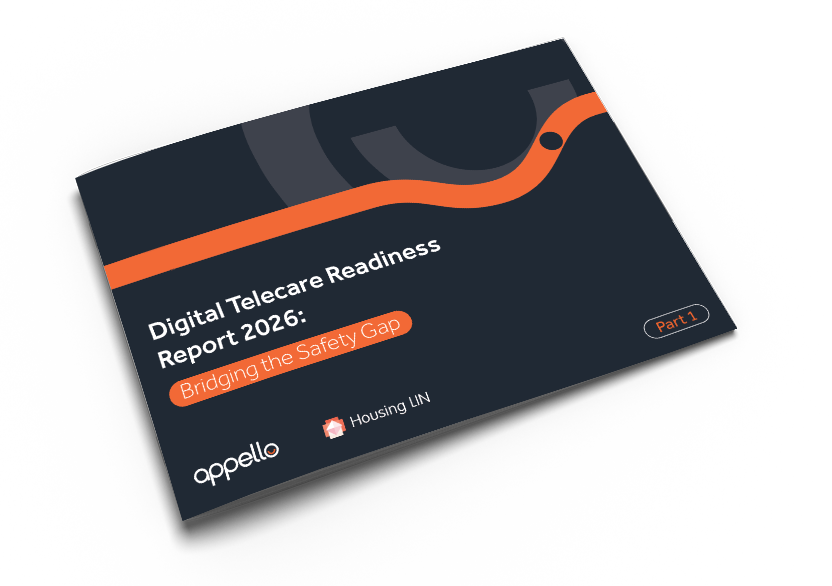
But competition for converters is set to soar ahead of January 2027. According to our recent Digital Readiness report with Housing LIN, nearly half the market favours these as an interim solution. This increased demand will strain industry capacity, with manufacturers already reporting increasing lead times.
If you’re planning on using A2D converters, you need to move quickly to secure the safety of your services and avoid getting caught in an implementation bottleneck.
Not sure whether your current interim solution is up to scratch? Talk to our team for an honest assessment and ensure you’re on track for the digital deadline.
If you would like to learn more about interim solutions, our latest webinar 'Navigating the 2026 Telecare Bottleneck', brings experts from Hanover, Thame & District Housing Association and Appello, who discuss this topic further.
SmartBridge
A reliable analogue to digital converter, to provide you with a stepping stone while you navigate the digital switchover.

.jpg)