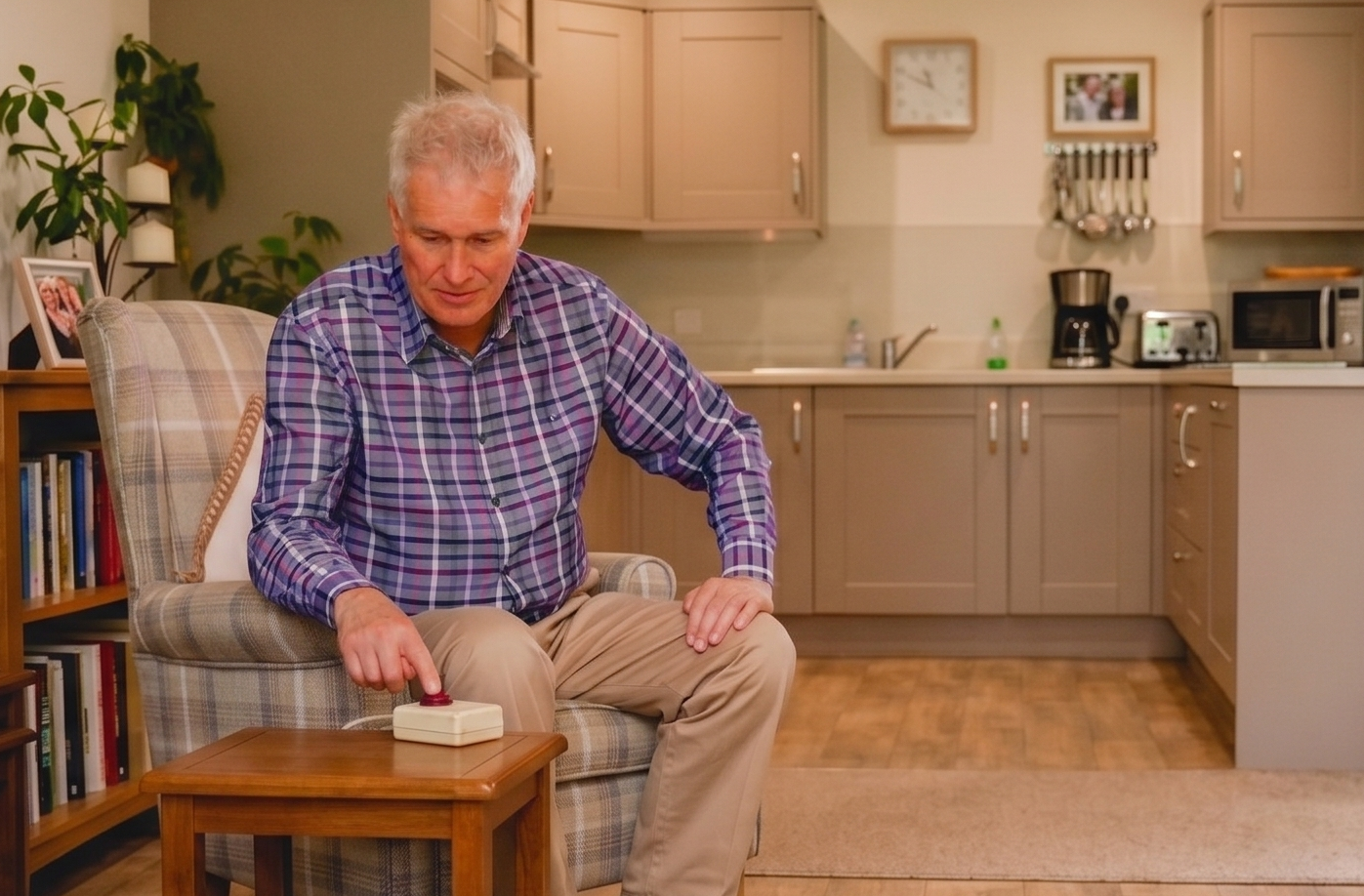
Digital technology has become a part of our everyday lives and this continues to develop all the time. But, while many older people embrace this, some are still learning to adapt within the Silent Generation (those aged between 77-94) and late Baby Boomers from 65+.
In this article, we look at how older people have adapted to new technology, including:
- The increasing role of technology in older people’s lives
- Barriers to adopting new technology – and how to overcome these
- How digital warden call systems make a difference, helping people live more safely and independently
How have older people adopted new technology?
The adoption of technologies by those aged 65+ has increased over the last decade. An Age UK report in 2025 found:
- 71% of those over 75 use the internet
- 91% of people aged 65+ use the internet at least once a month
- 67% of over 65s own a smartphone
These figures will continue to rise with each generation. However, the report also highlights the risks of digital exclusion as there are still some barriers to overcome.
Why can older people struggle to adapt to technology?
Older people may struggle to use digital technology for a number of reasons, including a lack of knowledge or a feeling of constantly requiring assistance, which can seem embarrassing.
Physical health can also impact this, including:
- Eyesight impairment, with individuals unable to see the screens.
- Memory loss, making it challenging to remember instructions, passwords and usernames.
- Loss of hearing, making it difficult to hear others over a device.
But even with these challenges for older people adapting to new technology, it doesn’t mean that they don’t want to use it and aren’t capable.
Increasing importance of technology for older people
Technology is increasingly being used to enable older people to live a safe and full life. Digital devices are becoming an integral part of their everyday routines.
These include:
- Warden call systems and pendants – providing easy access to emergency assistance in the event of a fall or feeling unwell.
- Smartphones and tablets – enabling video communication, reducing social isolation and offering reassurance.
- Fall pendants – alerting an emergency monitoring line if an individual has a fall.
- Floor sensor mats – tracking where people have been walking in their house; for example, to show if they've got out of bed.
- Smart cups - monitoring how much liquid has been consumed in a day.
- Fitness trackers – monitoring different aspects of an individual's health.
In fact, 82% of housing providers believe changes in perceptions of technology amongst residents will influence the long-term delivery of specialist housing.
Why a fully digital warden call system makes a difference
Moving to a fully digital warden call system goes far beyond analogue telecare, enabling proactive care tailored to people’s individual needs, so they can live more confidently and independently.
Digital warden call:
- Provides faster, more reliable emergency responses
- Integrates with other devices, such as activity or environmental sensors
- Gives individuals much more control over the support they receive, with video communication and I’m OK features
Reduces social isolation with video calling helping people connect more easily with family and friends. The right digital warden call system ensures you can make the most of the different technologies available. This allows you to provide co-ordinated, comprehensive services for your customers. But you also need to ensure individuals are equipped to embrace these systems.
How to overcome barriers to adoption
Overcoming the barriers to older people adopting new technology starts with developing digital devices with them specifically in mind. Alongside this, training and support can help to build confidence.
For example, design considerations include:
- Buttons or a stylus to make using the device easier.
- Large icons on a tablet/phone which are easy to see and click on.
- Ability to change the volume on the device.
- Accessible and clear instructions on how to use devices.
1-2-1 sessions to discuss how the device works provide opportunities for questions and feedback. Taking the time to talk about changes to telecare systems means individuals can understand why they are using this new technology. Listening to feedback is also vital as this can help with future development, working towards what the customer really wants.
A digital future for everyone
As digital technology continues to evolve, so too does its role in enabling older people to live independently, stay connected and remain safe.
With the right support, barriers to adopting new technologies can be overcome, ensuring nobody is left behind. This can be through a combination of:
- Fully digital warden call systems allowing wide-ranging services and support.
- Careful selection of equipment designed to meet older people’s needs.
- Taking time to educate and listen to feedback.
Find out how Appello supports older people to embrace technology for safer, more independent living – with our fully digital warden call and dispersed alarms, alongside our A2D converter for a gradual transition. Speak to a member of our team today.



.jpg)